
Historical reading · v178 · 2026-09-14. Read the current understanding and full revision history →
Historical reading v178 · 公开专题 · 人工智能与算法治理
AI & Algorithm Governance
China's policy on artificial intelligence, large models, generative AI, computing power, and algorithm regulation — industrial promotion, governance rules, and global AI diplomacy.
Historical reading v178 · v178 · 14 Sep
State Council elevates compute network; Xi pledges BRICS AI open-source zone
China's AI policy remains promotion-first, but the promotion layer just rose two levels at once — to the cabinet and to the summit podium. On Sept 11 a State Council executive meeting chaired by Li Qiang made the computing-power network (算力网) a standalone agenda item, calling it "the foundational support for AI development" 1. One day later, at the BRICS summit in New Delhi, Xi Jinping announced China would build a BRICS AI open-source zone and a BRICS digital industry cloud platform 2. Nothing in this batch tightens model rules; the control layer stays quiet.
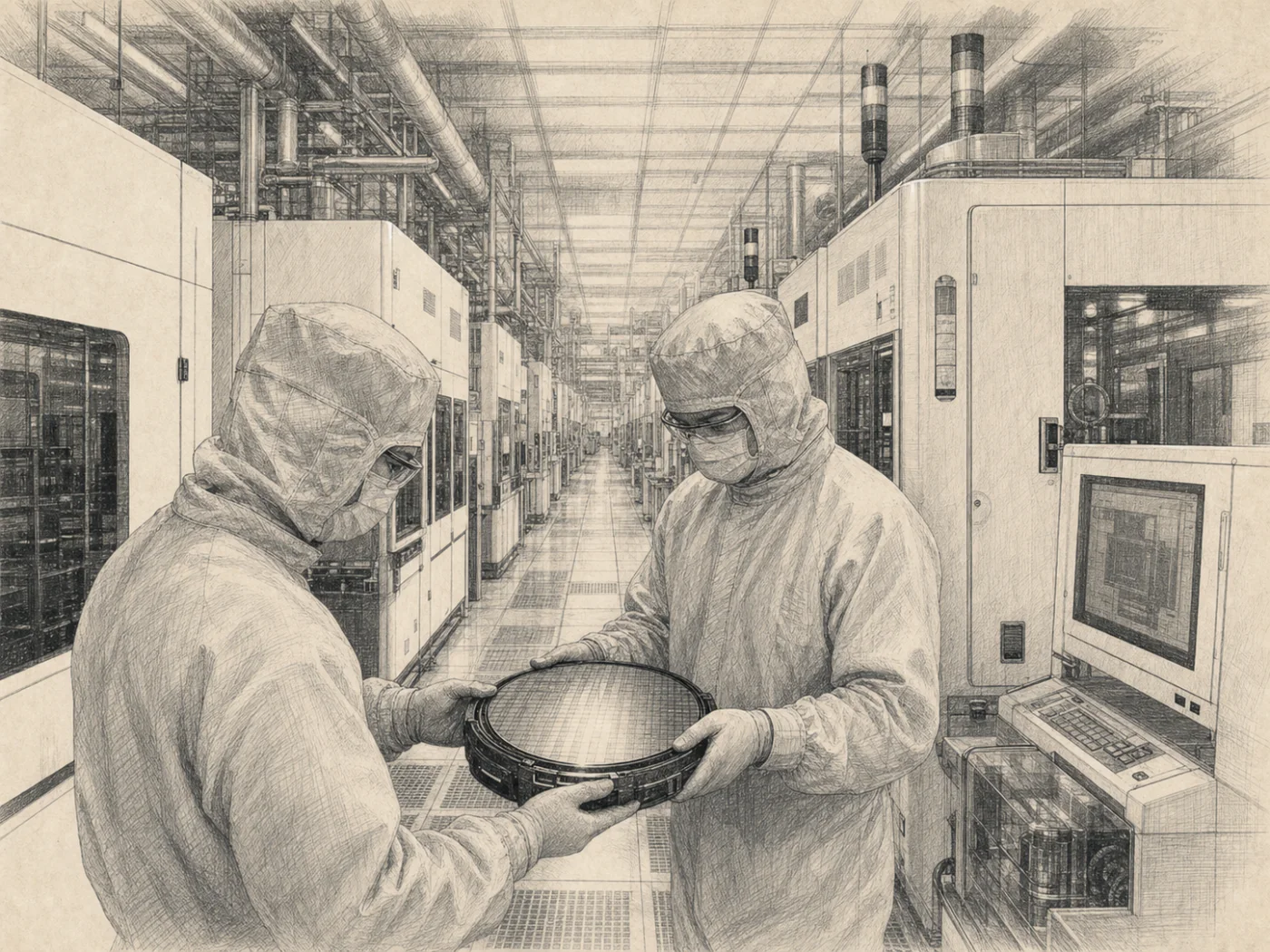
The State Council readout matters for what it instructs, not just what it endorses. It orders "reasonable layout, orderly and regulated" build-out, a multi-tier networked compute system, and — the operative phrase — compute-power coordination and compute-network integration (算电协同、算网融合), backed by resource monitoring and dispatch, backbone optical-fibre construction, and accelerated green-power direct connection and source-grid-load-storage projects 1. It also leans on market mechanisms to match supply and demand. That mix is planning and standardisation policy, not censorship: Beijing is settling how compute is sited, powered and scheduled nationally.
Provincial evidence shows the template operating. Guizhou is the only first-batch regional node whose consortium includes a grid company (Guizhou Power Grid), creating a "three-network hub" that knits the national compute network, the new-generation communications network and the power grid together 3. Heilongjiang, also a first-batch node, anchors on China Mobile's Harbin 10,000-card cluster 4 and reports 430 provincial-level digital workshops and smart factories by end-2025 — up 212 since 2022, a 25.4% annual rise — with the share of enterprises digitising key business processes climbing from 34.6% to 51.8% 5. The compute-energy nexus is now explicitly a national infrastructure program, not just a provincial story.
Internationally, Beijing has upgraded from theme-setting to named deliverables. The APEC energy ministers' meeting had already placed "AI and energy mutual empowerment" among three priority directions under China's chairmanship 6; Xi's BRICS package now adds institutions explicitly aimed at helping Global South countries "benefit equally" — an open-source zone, a digital industry cloud platform and a youth sci-tech exchange plan 2. That is the counter-narrative to Washington's "small circle" supply-chain certification push, reinforced by Assistant Foreign Minister Liu Bin's capacity-building seminar for representatives of more than 30 countries at Peking University 7.
Diffusion keeps widening beneath the diplomacy. MIIT's software action plan still targets high-standard coding tools and platforms reaching more than 20,000 major software enterprises and 100 benchmark agent-based software applications by 2028 8. Tokens are becoming ordinary: Unisound's "token export" served Ethiopian cross-border e-commerce with over 10 billion tokens in week one 9, while a dumpling shop near Beijing University of Posts and Telecommunications hands out 10-yuan compute cards so diners can top up their agents 10. Talent and skills are being wired in too — Macao's Huawei-backed pilot trains staff toward HCIA-AI certification 11 alongside a university AI-and-brain-science symposium drawing about 500 participants 12, and Liaoning's vocational skills competition added AI, low-altitude economy and industrial-internet tracks across 88 events with 2,100-plus contestants 13.
Governance remains the quiet thread. No new algorithm, large-model or content rule appears in this batch; the framing stays misuse-prevention and development-first, with Liu Bin stressing that capacity building must "simultaneously raise governance capacity" 7. The standing governance-adjacent instrument remains the 15th Five-Year IP plan's refinement of rules for algorithms and AI-generated content 14. Beijing continues to treat AI risk as something to manage through plans and standards rather than fresh restrictions on its own model firms.
The read for outside observers: China is institutionalising compute as nationally planned infrastructure and turning its multilateral chairmanships into delivery vehicles, while leaving domestic model rules untouched. Three things to watch: whether the State Council's compute-network instruction hardens into a named plan, budget line or agency; whether the BRICS AI open-source zone and digital industry cloud platform get launch dates as China takes the BRICS chair; and whether the attribution fight with Washington over alleged model theft hardens into procurement or export restrictions against named Chinese firms rather than rhetoric alone.
What changed in this reading
The State Council executive meeting of Sept 11 elevated the computing-power network to cabinet-level agenda, framing it as AI's foundational support and ordering compute-power and compute-network coordination 1. Internationally, Xi Jinping shifted China's AI diplomacy from theme-setting to named deliverables at the BRICS summit — a BRICS AI open-source zone, a digital industry cloud platform and a youth sci-tech exchange plan 2. The assessment moves from 'diplomatic packaging at APEC' to institutionalised compute planning plus multilateral delivery.
How the evidence changed
Comparing v177 with v178. Band width counts distinct cited documents.
Cited in both 9
- 贵州获批建设国家算力互联互通区域节点
- 'Innovative Computing Power Training Pilot Program' launches to boost AI application capabilities of tech companies.
- Dumplings and tokens: A shop near BUPT serves AI computing power as dessert
- Over 10 billion tokens generated in first week! Domestic AI models power overseas e-commerce, no need to build computing power abroad — the 'token export' era has arrived | Overview
- Assistant Foreign Minister Liu Bin Attends Opening Ceremony of the Fourth AI Capacity Building Seminar (2026-09-07)
- Our province selected as regional node for national computing power interconnection.
- China to bolster IP protection in emerging fields including AI
- China looks to AI to sharpen software sector's competitive edge
- 16th APEC Energy Ministers' Meeting Held in Beijing
Newly cited 5
- University of Macau Hosts International Symposium on Artificial Intelligence and Brain Science
- Foreign Ministry Spokesperson Guo Jiakun Hosts Regular Press Conference on September 14, 2026
- Third Liaoning Provincial Vocational Skills Competition Opens in Anshan; Wang Xinwei Speaks and Declares It Open
- Heilongjiang's 100-Billion-Yuan Digital Economy Cluster Rides the Momentum
- Li Qiang chairs State Council executive meeting, further deploys work on strengthening production safety
No longer cited 4
- Foreign Ministry Spokesperson Mao Ning Holds Regular Press Conference on September 9, 2026
- 2026 Global Industrial Internet Conference Opens in Shenyang; Xu Kunlin Attends, Wang Xinwei Delivers Speech, Zhou Bo Attends
- Foreign Ministry Spokesperson Guo Jiakun Holds Regular Press Conference on September 10, 2026
- Foreign Ministry Spokesperson Mao Ning Holds a Regular Press Conference on September 11, 2026
Evidence behind this reading
China Snapshot, a publication of CHINA SNAPSHOT LIMITED (Hong Kong). Operated by Tristan McInnis, Managing Partner, Inner Chapter, Shanghai. Chinese sources machine-translated by DeepSeek; interpretation drafted by a language model under our editorial standards; corrections to support@china-snapshot.com.